
A surprising number of injury claims fall apart for one simple reason: the injured person assumes the facts will speak for themselves.
They do not.
Insurance companies don't accept blame without proof. Even where there is no doubt as to fault, insurers often ask about the circumstances of the injury, whether the injury predated the incident, and whether the incident caused the losses claimed. That’s why the best personal injury lawyer Perth residents rely on focuses on evidence from day one.
A claim becomes a case when there is strong evidence or facts. The more credible the evidence, the harder it is for an insurer to contest liability or reduce compensation.
Why Evidence Is More Important Than Most People Think
A personal injury claim depends on proving three important elements:
Someone owed you a duty of care.
They committed a breach of that duty
The breach caused your injury and loss
It is hard to make any of these points without some evidence.
It is usually only when people are being denied by an insurer that they seek out personal injury lawyers Perth. By then, vital evidence may have vanished. Witnesses forget. The CCTV footage has been deleted. “Accident scenes change.
The best cases are often those that begin with gathering evidence immediately after the incident.
Medical Records: The Cornerstone of Every Injury Claim
Medical evidence is the core of nearly every successful personal injury matter.
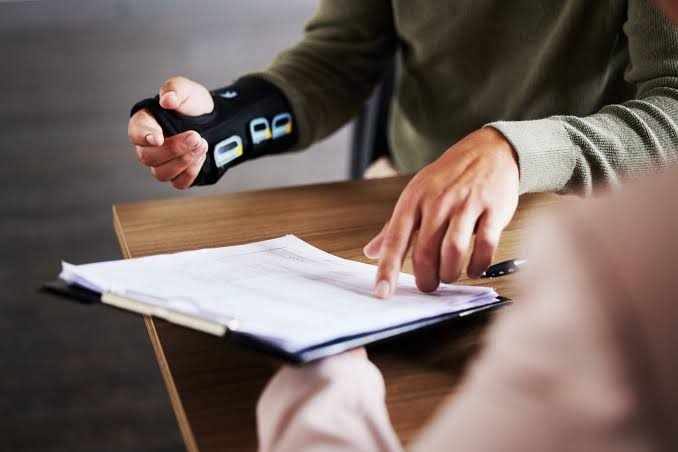
Seeing a doctor soon after the accident creates an official record that ties your injuries to the accident. Delays breed doubt and give insurers leverage to argue that something else caused the injury.
Important medical evidence can include:
Emergency Department data
GP consultation notes
Specialist evaluations
Imaging results, such as X-rays, MRIs and CT scans
Physiotherapy reports
Surgical record
Psychological assessment
Remarks on incomplete treatment
A good lawyer doesn’t just collect medical records. They select the records that clearly demonstrate the effect of the injury on your daily life, your employment and your future wellbeing.
Photographs Can Significantly Bolster a Claim
Photos often tell a story that words cannot tell.
Photos taken immediately after an accident are strong evidence of:
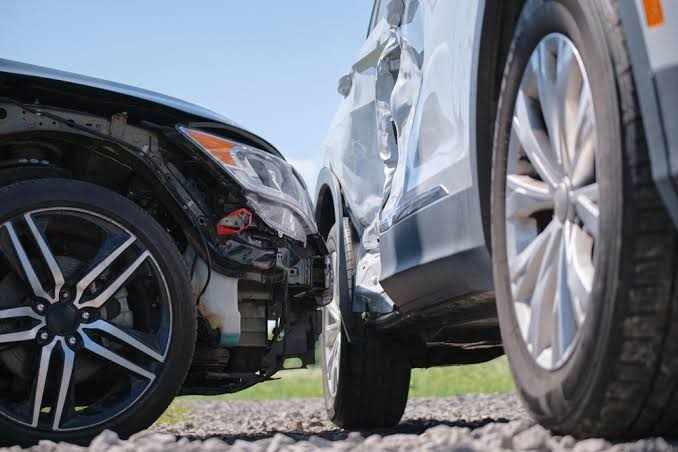
Vehicle damage
Dangerous Situations
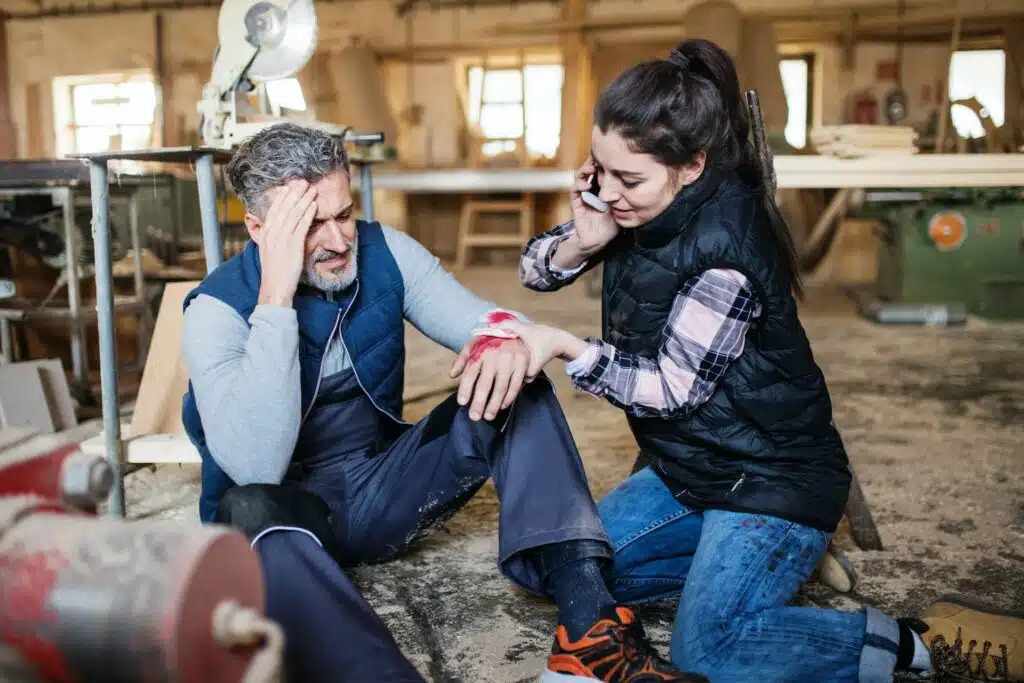
Workplace safety fails
Slips and Falls Locations
Apparent injuries
Roads
faulty products
Say, a wet floor in a supermarket can be cleaned in a matter of minutes. A broken stair-rail could be fixed the next day. A photograph will preserve the condition as it was at the time of the incident.
In Western Australia, visual evidence often assists in establishing liability in a contested case.
Witness Statements Often Fill In Key Gaps
If the other side challenges your version of the events, independent witnesses can add credibility.
A witness may testify:
How the accident happened
Pre-incident risk-taking behavior
Environmental variables
Immediate effects of the injury
Discussions at the scene
With time, people tend to become less accurate. Having witnessed information early on can be very helpful later on in the claims process.
Personal Injury Lawyers With Experience. Witnesses are regularly contacted by Perth while memories are fresh and reliable.
Employment and Income Records
Many injury claims result in financial losses.
If you cannot work due to your injuries, proof of lost earnings is important.
The most common employment evidence is:
Pay slips
Work contracts
Tax Returns of Income
Documentation
Superstatements
Employer communications
Business financial record keeping self employed
Insurers seldom accept an estimate. They want documentation of exactly how the injury affected the ability to earn.
In the more serious injury cases, lawyers may also obtain vocational assessments and economic reports to determine how much future income will be lost.
Reports of Accidents and Official Documentation
Official reports are often taken very seriously, as they are prepared independently of the claim.
Depending on the circumstances, the relevant documents may be as follows:
POLICE LOGS
Police records are often initiated by road accidents that result in injuries. These reports may contain observations, witness information and details of the fault.
Incident Report at the Workplace
Under Australian workplace safety laws, employers are required to document workplace incidents in most cases.
REPORTS FROM COUNCIL
Public liability claims concerning footpaths, parks or public facilities may involve local government records.
Business Incident Report
Internal reports are routinely prepared by shopping centres, hotels, restaurants and other businesses after accidents have happened on their premises.
These records can give valuable information as to what happened, and if safety procedures were followed.
Expert Testimony Can Make a Huge Difference
Some claims involve technical issues that require specialist opinion.
Expert witnesses can include:
Medical experts
Engineer Occupational Therapist
Occupational safety advisers
Accident reconstruction professionals, economists, and psychologists
For example, an engineer could have explained why a staircase fell down. A medical professional can tell you what the long-term effects of a spinal injury are.
Expert evidence, particularly where insurers challenge liability or the severity of injuries, is often essential.
Personal Records That Most People Forget to Keep
Not all evidence is from professionals.
Personal records can be useful in showing the effects of an injury on daily life.
A personal injury attorney might suggest keeping:
Recovery journal 2.0
Pain diaries
Medical Appointments Records
Travel costs
Cost of Medicine
Cost of home care
Pictures documenting recovery progress
These records add context that formal medical reports sometimes lack.
They assist in showing the real impact of the injury on work, family duties, hobbies and daily life activities.
Social Media Can Work For or Against Your Case
Many claimants are unaware of the role social media plays in modern personal injury claims.
Insurance investigators often check public profiles.
A single photograph or post taken out of context can cause complications.
If you say you have serious mobility limitations, but you post pictures of yourself doing physically demanding things, you might find people questioning your credibility.
That doesn’t mean you should stop living your life. It does mean that you need to be careful around public posts while a claim is still open.
These errors do not necessarily invalidate a claim, but they can make proving the case much harder.
How a Lawyer Constructs a Convincing Evidence Strategy
Gathering evidence is not just collecting documents.
A good legal strategy ties each piece of evidence to the elements that must be proven.
Best personal injury attorney Perth claimants will usually opt for:
See the accident details
Spot missing evidence early
Witness statements obtained
Get relevant medical reports
Consult experts when necessary
Accurately calculate financial losses
Evidence supporting maximum
A structured approach frequently separates a disputed claim from a successful outcome.
Assumptions Not Evidence Wins Cases
Many injury victims think that the truth alone will get them compensation. Unfortunately, insurers assess evidence, not assumptions.
Gathering the right mix of medical records, photos, witness statements, expert reports and financial documentation is the key to making a compelling case. The sooner the evidence is preserved, the better the claim usually is.
If you have been hurt due to someone else’s negligence, getting legal advice early on gives you the best chance to preserve critical evidence and strengthen your position from the outset.
The best personal injury claims are rarely a product of chance. They succeed because the right evidence is gathered, kept and presented well. Each report, each witness statement and each photograph adds to the bigger picture. If the picture clearly shows negligence and loss, the insurer has a much lesser ability to dispute the claim.
If you are contemplating a claim, gathering evidence early and obtaining experienced legal advice can put you in a much stronger position from the outset.
And, if there is any criminal case against you, consider hiring Criminal lawyers Perth.





Write a comment ...