
A serious injury can turn a normal day into months of lost income, medical visits, and uncertainty. Many people spend their time trying to prove that someone else caused the accident. The best personal injury claims in Western Australia are often successful because of the quality of the evidence.
A personal injury lawyer in Perth with experience knows that the difference between a fair settlement and a contested claim is usually a matter of facts, documents, and prompt action.
Insurance companies don’t just take you at your word that you were injured. They review everything for loopholes in the claim that could lead to a reduction or denial. That is why it is important to collect the right evidence right from the beginning.
Why opinions don’t matter, but evidence does
Even if you believe that your injury is real, the key to a successful compensation claim is evidence. Courts, insurers and legal representatives seek evidence linking the accident to your injuries and financial losses.
Good evidence helps to establish:
Who caused the accident?
How the accident occurred
How badly you're hurt
Your monetary losses
Long-term effects on your daily life
The sooner this evidence is obtained, the more reliable it will be.
The most important are medical records.
Medical records are often the foundation of any personal injury claim.
Seek medical attention immediately after an accident, even if your injuries seem slight. You may not have symptoms immediately for conditions such as whiplash, soft tissue injuries or concussion.
Useful medical evidence includes
Reports from the ER
Notes from GP consultation
Specialist evaluations
Diagnostic Imaging (X-ray, MRI, CT scan)
Physiotherapy notes
Psychological therapy reports
Drug history
The best personal injury lawyer in Perth will usually tell you to continue with your treatment as recommended. Missing appointments can raise questions about the seriousness of your injuries.
Accident Scene Evidence Can Help Your Case
The accident scene is often left without valuable evidence being collected by many people. Unfortunately, that opportunity rarely returns.
If you are physically able, gather:
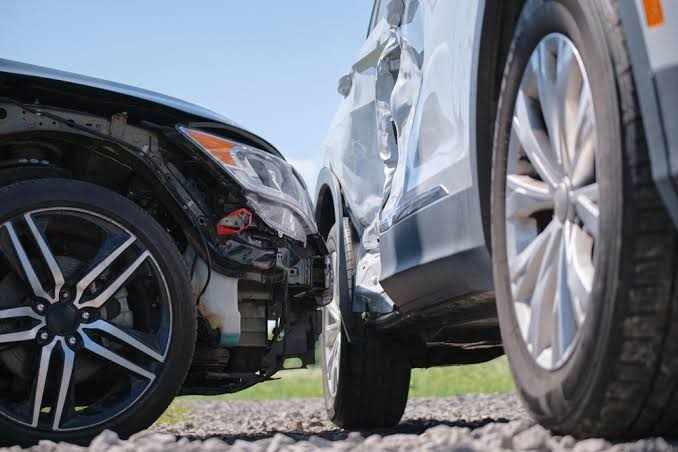
Photographs of the accident site
Photos of damage to the vehicle
Poor property conditions
Weather conditions:
Road signs and traffic lights.
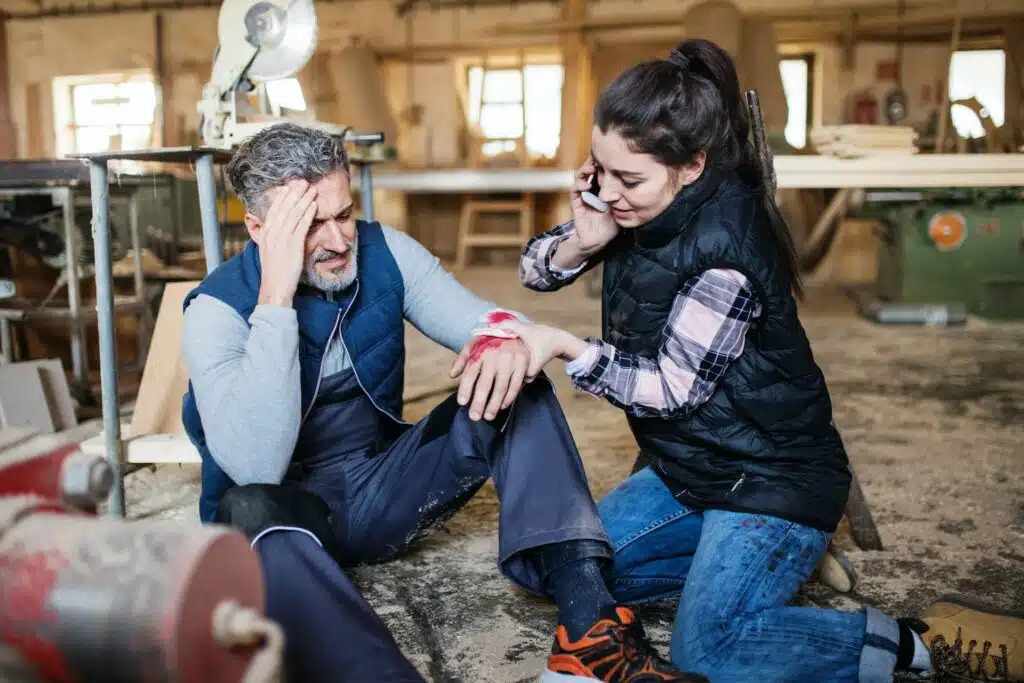
Visible injuries at the time of the incident
Even photos taken on a mobile phone can be valuable evidence later.
Witness Statements Offer Independent Support
Independent witnesses can add credibility when two sides disagree about what happened.
Examples of helpful witnesses include:
Pedestrians nearby drivers
Colleagues
Neighbours Clients
Owners of businesses
Request their
Full Name:Phone Number:
Email Address:
Short description of what they saw
A Lawyer Perth can take formal statements at a later date if required.
Employment Records Can Prove Financial Loss
Compensation is more than the cost of medical care.
Employment records are very important if your injuries prevent you from working.
These documents may contain:
Pay stubs
Tax return
Employer letters
Sickness records
Shorter working hours
Loss of overtime
Superannuation effects
The self-employed should also keep invoices, contracts, business financial records and accountant reports that show lost income.
Save All Your Receipts
Many claimants underestimate how quickly expenses related to an injury can pile up.
Keep receipts for:
Medical appointments
Prescription Medicines
Recovery
Attending appointments
Cost of parking
Medical Equipment’s
Home care
Mobility equipment
You may be able to recover some or all of these out-of-pocket costs as part of your compensation claim.
A Personal Injury Diary Can Fill Critical Gaps
Medical records often do not show the daily impact of an injury.
Keeping a journal is helpful for context.
Record information including:
Pain intensity
Sleep difficulties
Family events missed
Restrictions on mobility
Emotional difficulties
Absence from Work
Recovery markers
The little things you write down each day can be very persuasive bits of evidence months from now.
Social Media and Surveillance Can Impact Your Claim
Many Australians don't realise insurers can check your public social media accounts when you make a claim.
Pictures or videos of you engaging in physical activity that appear to contradict your reported injuries can raise questions, even if they do not show what you are actually feeling.
You don't have to disappear from social media. It just means you need to think twice before posting when a claim is active.
Timing Can Be the Difference Between a Good Claim and a Bad One
Too long a wait creates problems
Witnesses forget the details. The CCTV footage is wiped. Accident scenes vary. Documents are becoming hard to find.
Western Australia has its own legal time limits for personal injury claims. Missing critical deadlines could mean you receive no compensation at all.
Getting legal advice early helps you preserve important evidence before it is lost.
How an Experienced Personal Injury Lawyer Helps
Collecting papers to gather evidence is not the only thing.
An experienced Personal injury lawyer in Perth knows:
The most valued evidence by insurers is:
How to get expert medical opinions
When to bring in independent specialists
Estimating future economic losses
What paperwork helps you negotiate better
Many successful claims rely on evidence that injured people don’t know exists until an experienced lawyer points it out.
Common Mistakes That Cost You Pay
A number of avoidable mistakes can spoil an otherwise strong case:
Postponing medical treatment
Not reporting the accident
Misplacing receipts
Sharing misleading posts on social media
Not following medical advice
Months of waiting to talk to a lawyer
Assuming photos aren't needed
Avoiding these mistakes can greatly strengthen your case.
Conclusion
Normally, a personal injury claim is not decided by one piece of dramatic evidence. Rather, rock-solid claims are based on consistent medical records, credible witness testimony, financial documentation, photographs, and prompt legal action.
If you’ve been hurt in an accident, gathering evidence from day one gives you the best chance to pursue fair compensation. Working with an experienced legal professional can help ensure that no detail is missed and help position your claim for the strongest possible outcome.






Write a comment ...